


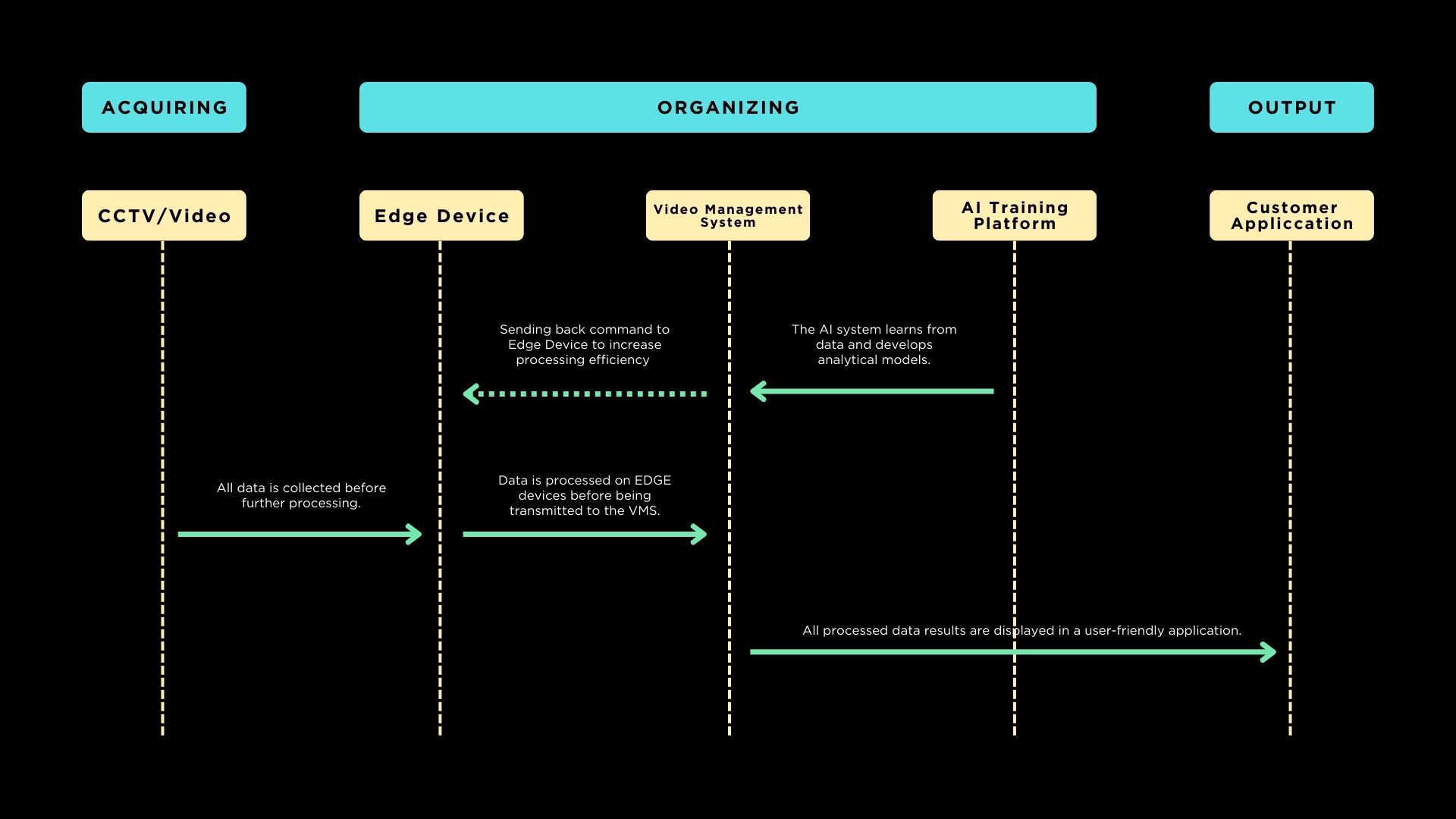
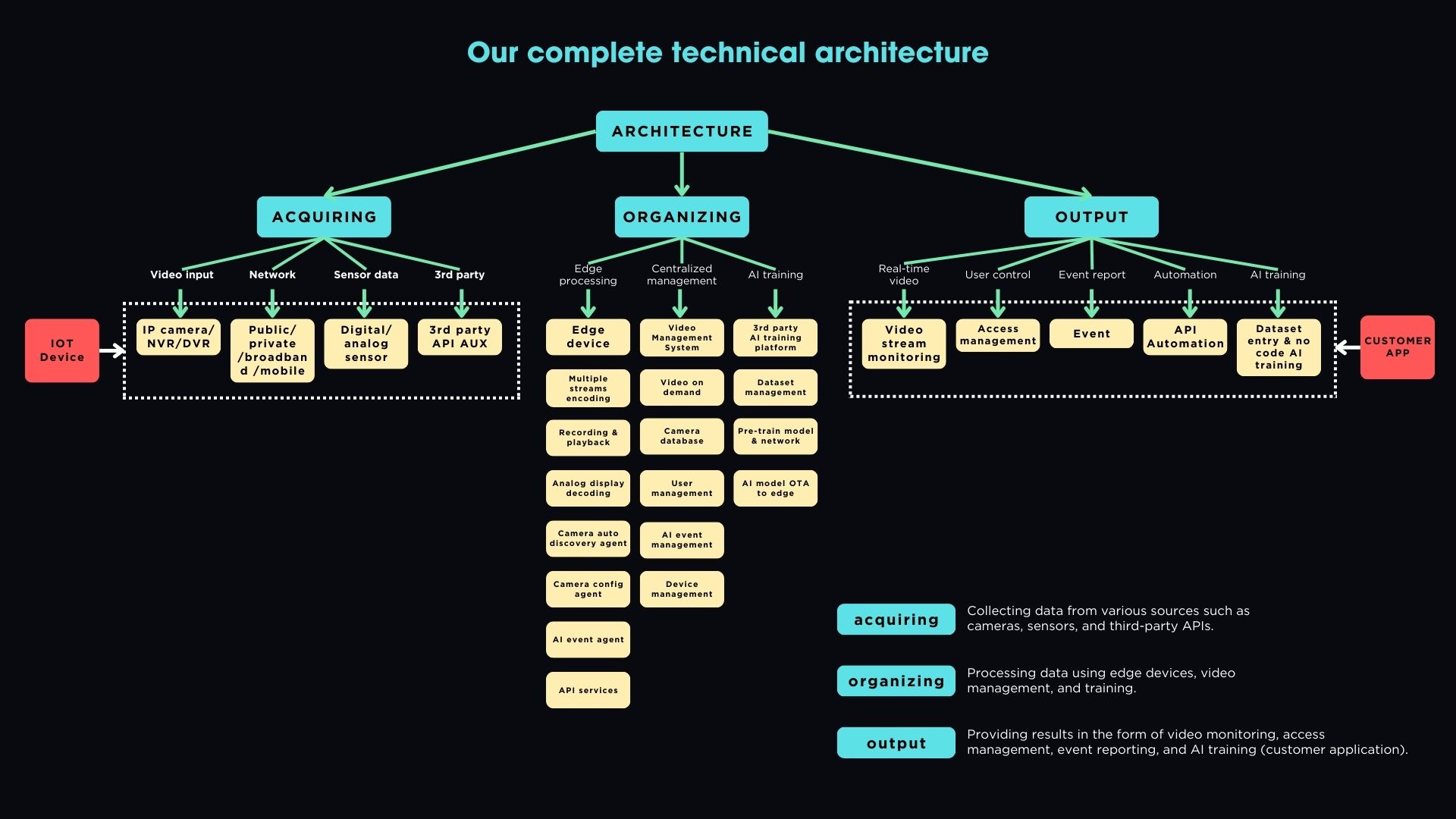
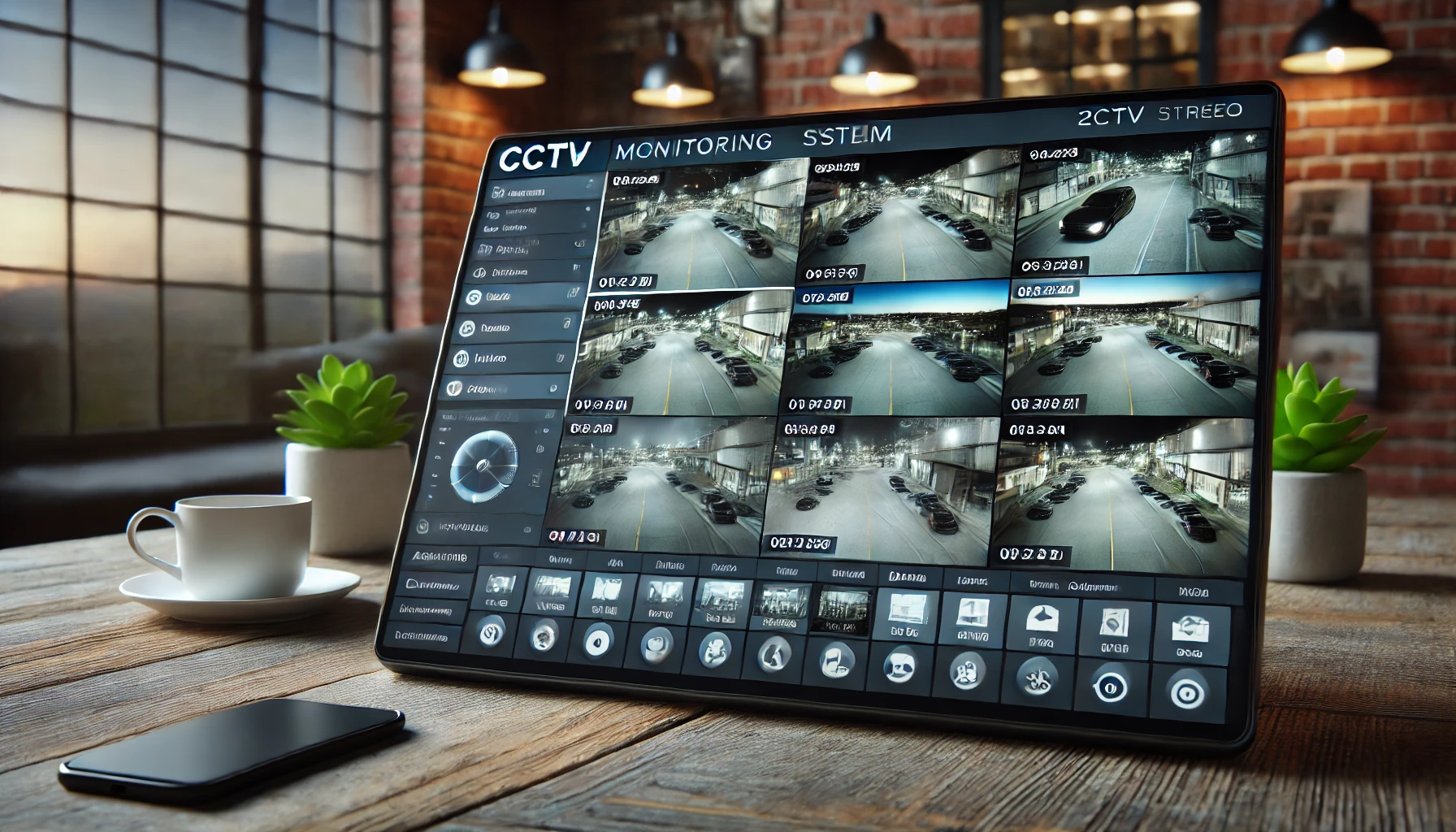
Viewing And Managing Stream
Dynamically manage video streams by adding or removing streams from the monitoring interface in real-time

Viewing Event Data
Collect, store, and analyze detected event data with time-based search and pattern recognition for deeper analytical insights.
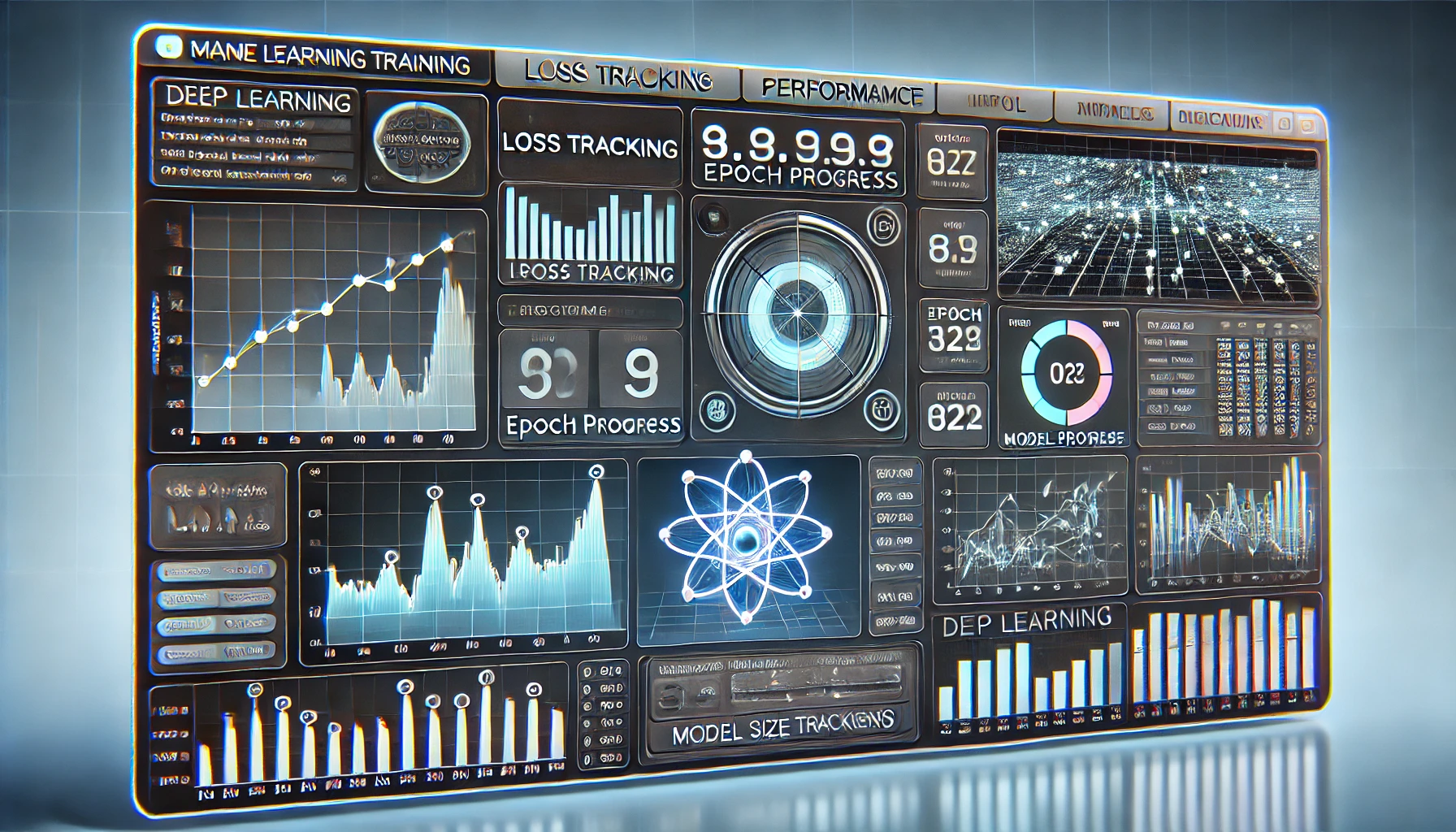
Training Process
Provides a structured pipeline for AI model training, including dataset selection, real-time loss tracking, epoch progression monitoring, and model optimization based on the best-performing epoch.
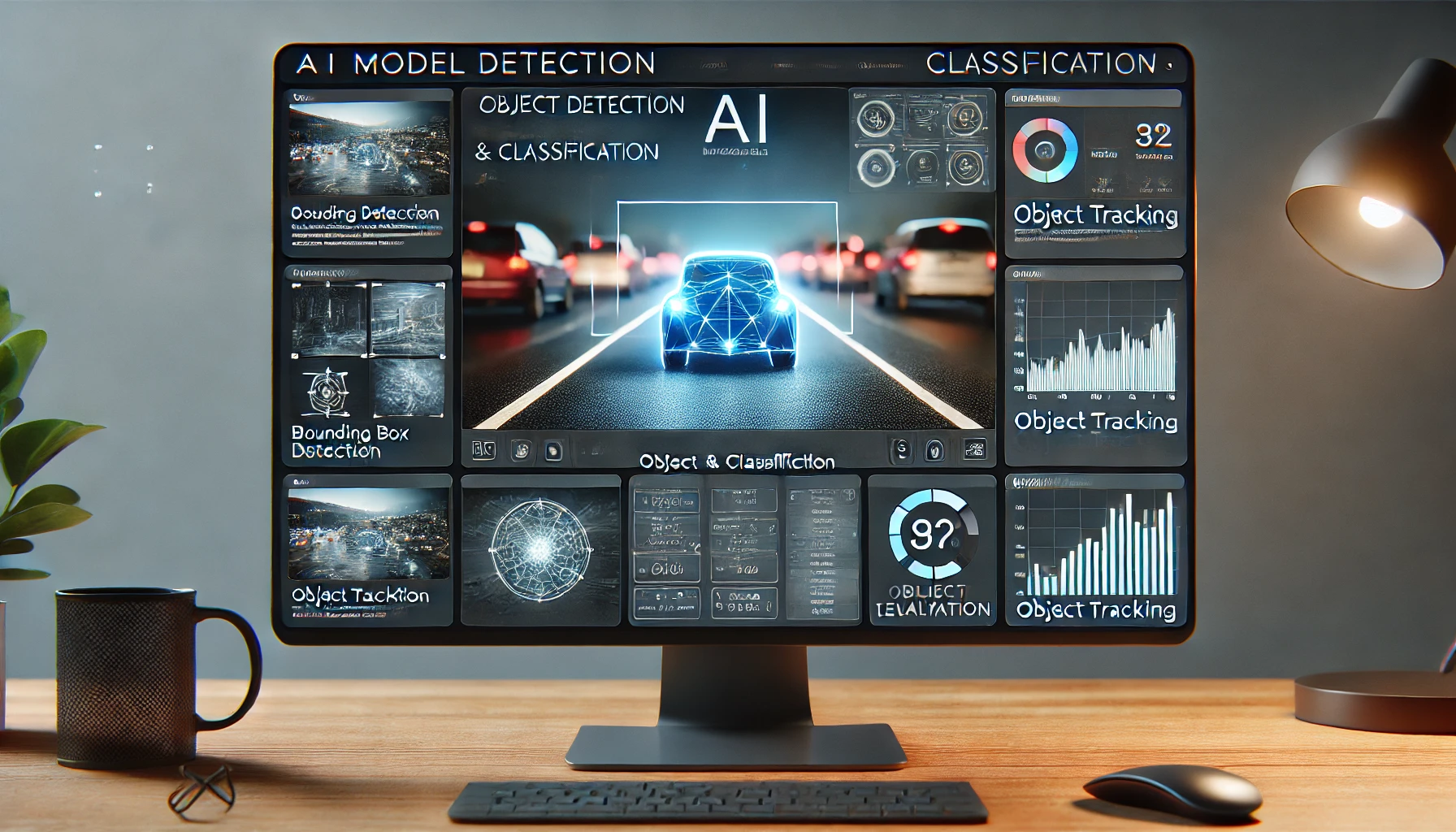
Testing Model
Evaluates AI models using test data by analyzing detection accuracy, classification performance, and tracking consistency through bounding box implementation and multi-frame object tracking.
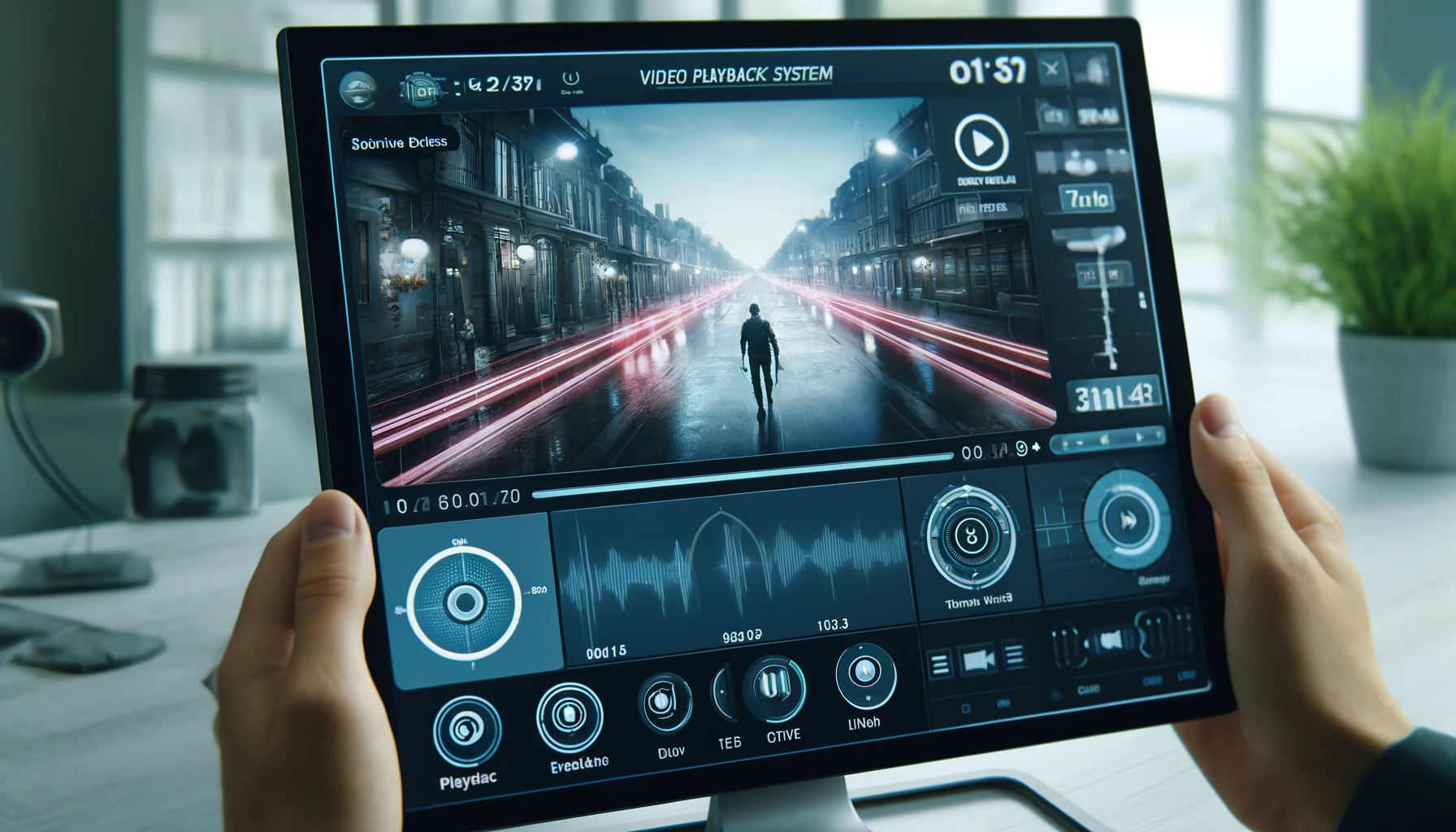
Playback
Access and replay recorded footage based on timestamps or specific events, with search capabilities based on time parameters.
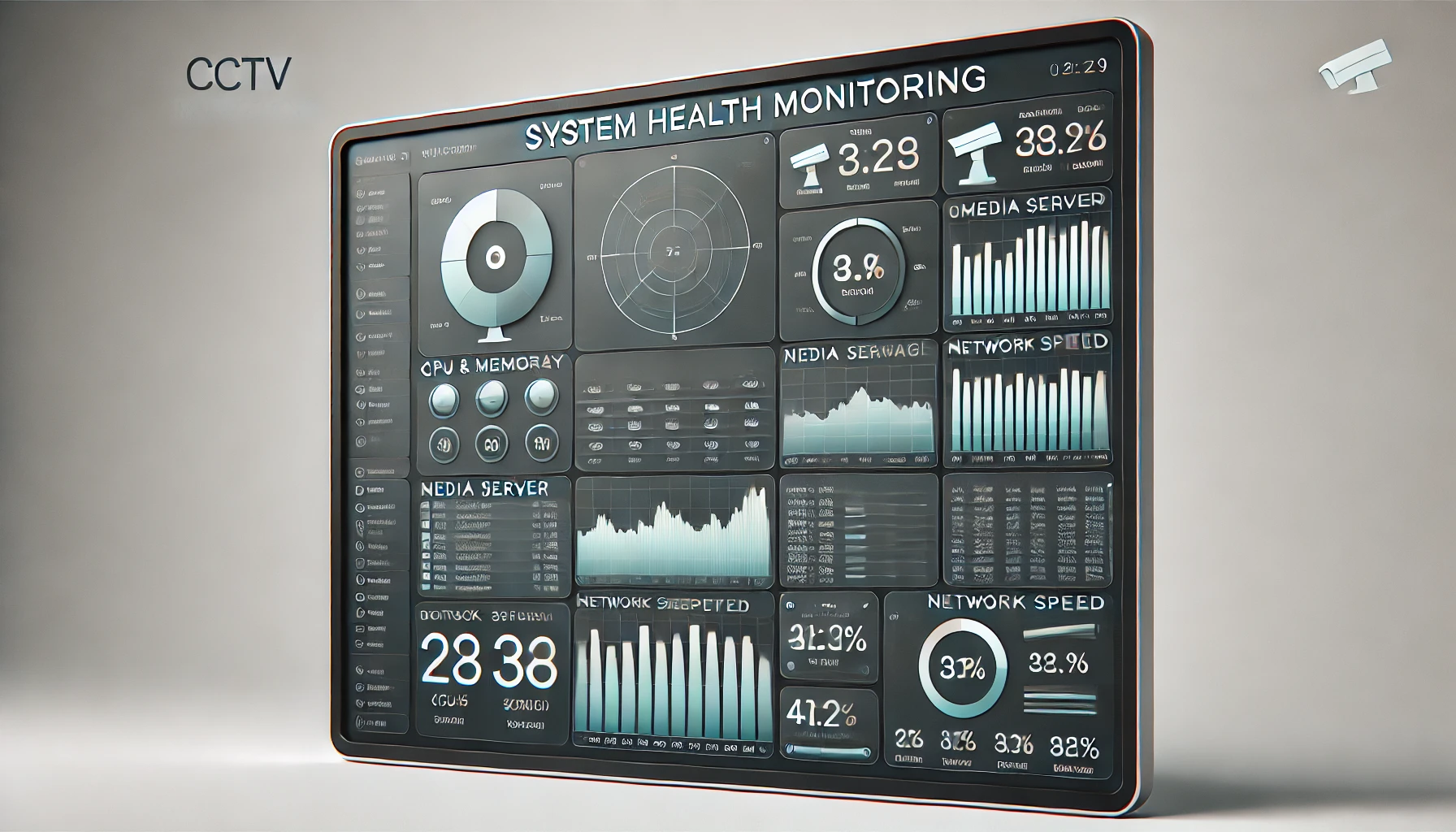
Device Monitoring and Management
Monitors system performance and operational status, including CPU load, RAM usage, media server activity, storage capacity, network interface speed, and recorder status, ensuring optimal resource utilization and reliability.
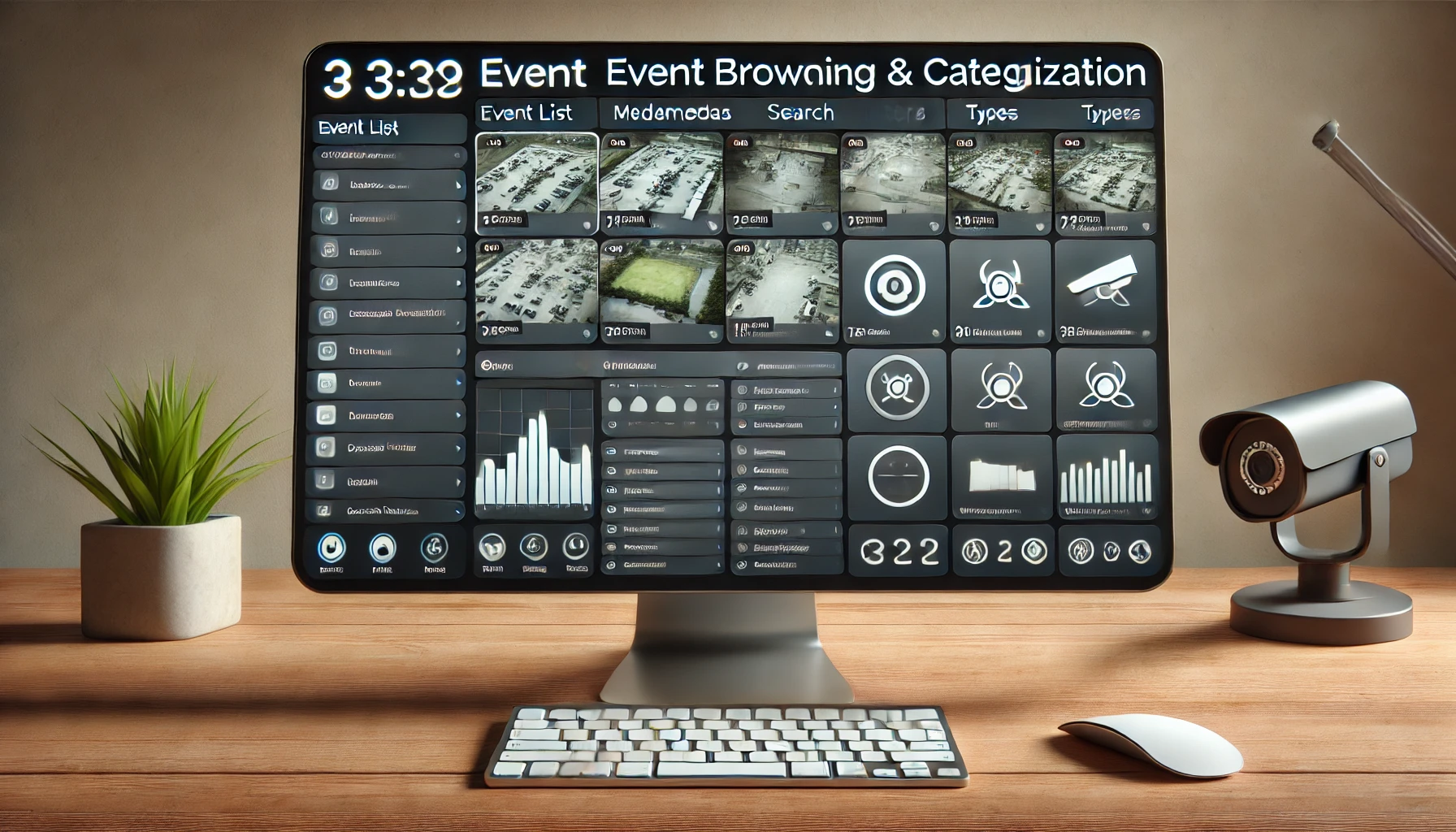
Browse Through Events
Organizes and categorizes detected events based on specific parameters, enabling efficient retrieval and analysis. Supports metadata-based search by time, camera location, activity type, or object identification for precise event tracking.

Annotation
Allows manual correction of detection errors, refining the dataset for retraining to reduce false positives and improve model accuracy.

Analyze Model
Analyzes model performance using key evaluation metrics, including precision, recall, F1-score, and confusion matrix. Provides visualized performance trends over training epochs, facilitating comparative analysis across different model iterations.
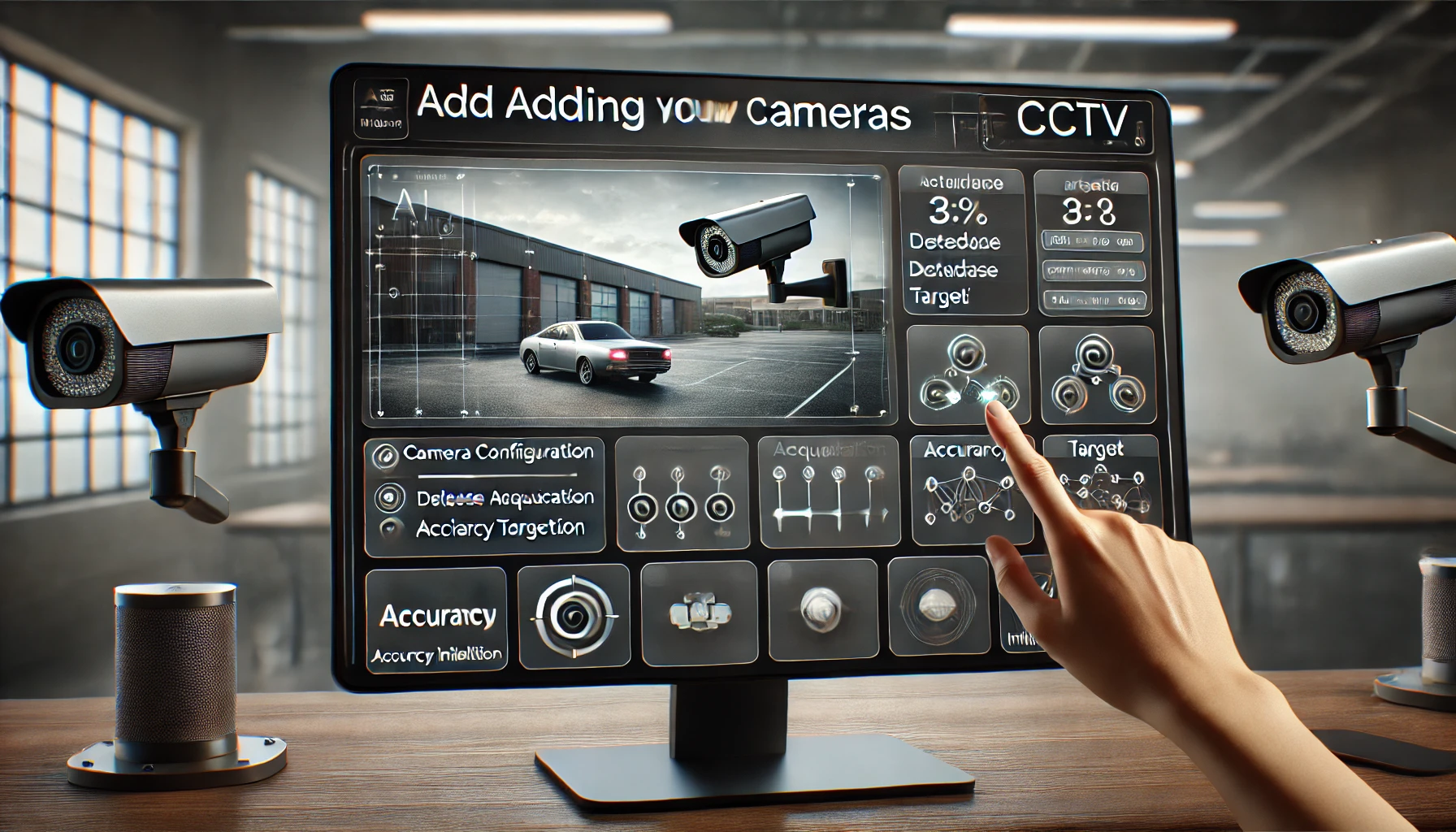
Adding Cameras to Training Platform
Configures cameras for automated dataset acquisition by defining image capture cycles, setting dataset distribution ratios for training and validation, selecting an initial model, and establishing accuracy thresholds to optimize model training performance
